Lignin-carbohydrate complexes made for cosmetics
A tunable, multifunctional alternative to synthetic cosmetic ingredients.
Naturally light, sensory-neutral, and built for high-performance formulations.
One ingredient. Multiple benefits. Shorter INCI list.
Clear benefits for your formulation
Natural SPF booster
LUX enhances the UV protection of both mineral and organic filters, enabling the same SPF at a lower filter load. Our in-house tests confirm the SPF-boosting effect. Full in vitro and in vivo data are currently in development and will be published here as they become available.
White cast reduction
Delivers visible white cast reduction by enabling lower mineral UV filter concentrations, paired with SPF-boosting power that supports reducing both mineral and organic UV filter content.
High antioxidant activity
The preserved native structure of LUX delivers strong free-radical scavenging properties, supporting anti-ageing and formula-protecting claims.
Rheology modifier
LUX delivers a smooth, soft-focus texture with effortless spreadability, ensuring uniform mineral dispersion in sunscreen formulations. It also forms a flexible, invisible film that supports even coverage while maintaining a breathable, nonocclusive finish.
Tunable natural pigment
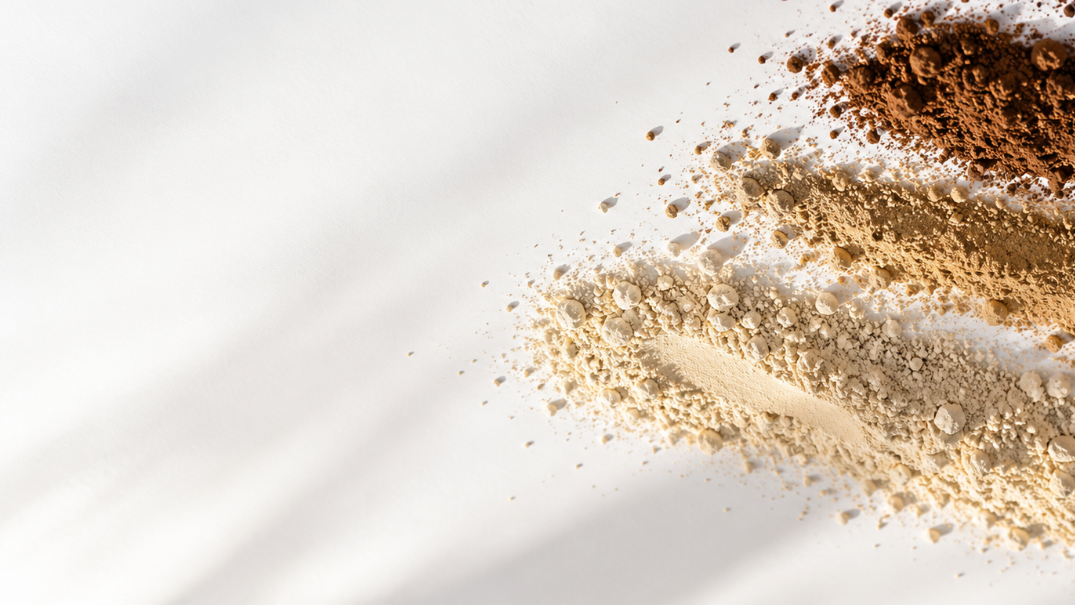
Where iron oxides rely on synthetic colour to mask a white cast, LUX achieves it naturally. Our tunable process creates warm-toned shades from light amber to deep brown - delivering biobased skin-tone adaptation with no synthetic colourants.
Formulation flexibility
LUX performs across sun care, skin care, and colour cosmetics without reformulation. Its combination of UV-boosting, antioxidant activity, texture enhancement, and natural pigmentation means a single ingredient can support multiple product claims - simplifying formulas while expanding what they can credibly say.
Curious to learn more?
Read our first white paper: “A New Approach to White Cast in Mineral SPF”.
Applications
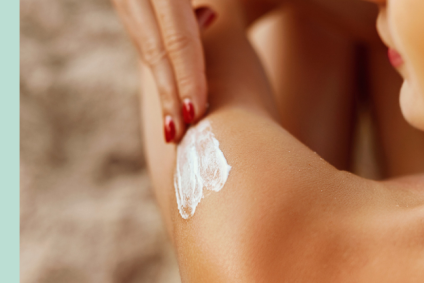
Suncare
Enhancing mineral and organic sunscreen formulations.
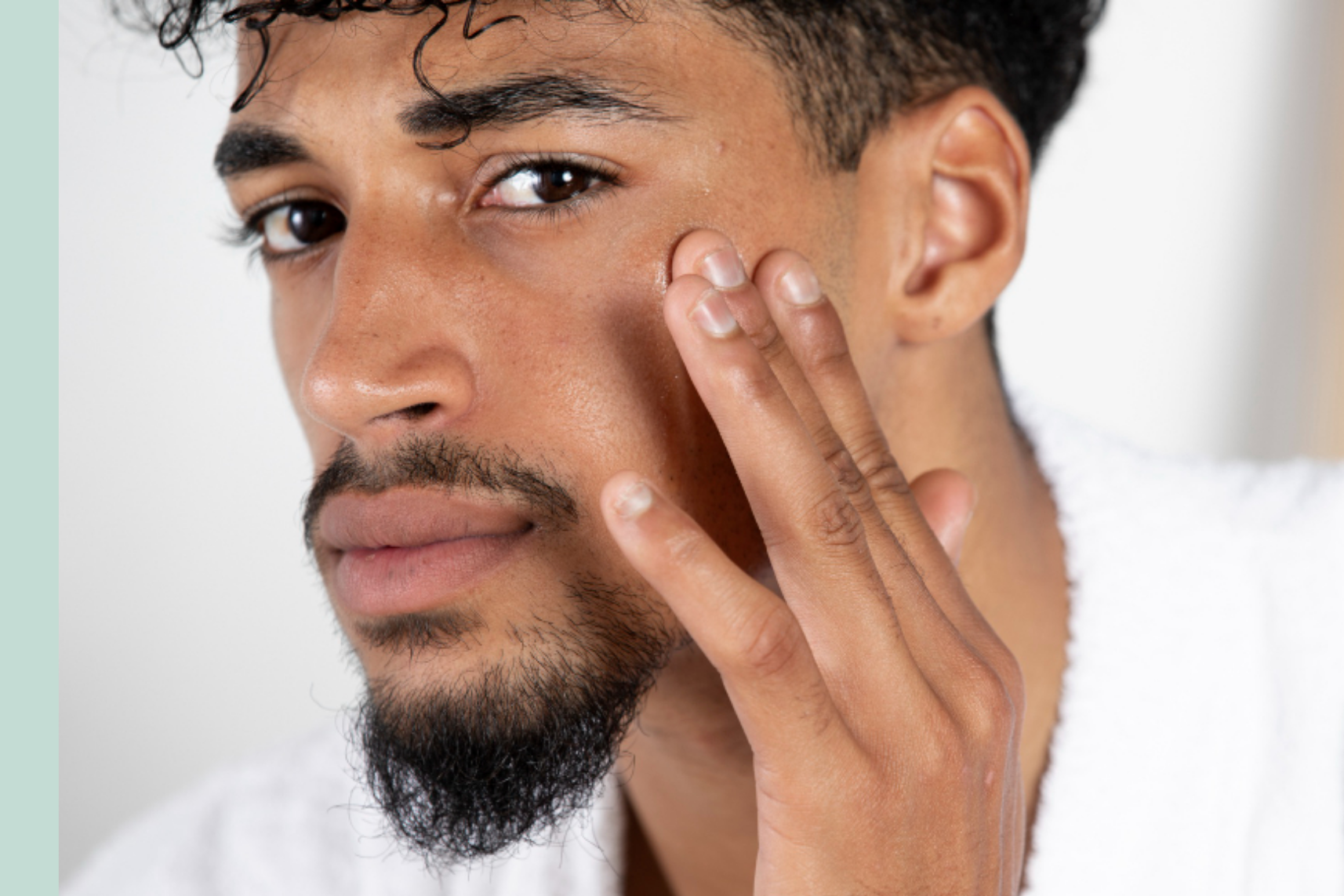
Skincare
Improved texture and boosted SPF performance.
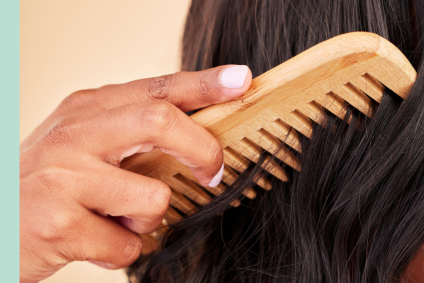
Haircare
Antioxidant protection for sun-exposed hair.
A different approach to lignin
Why lignin turns dark
Lignin-carbohydrate complexes occur naturally in plant cell walls, where lignin — the structural polymer that gives plants their rigidity — is bound to surrounding carbohydrate chains.
In conventional extraction, these bonds are destroyed, and the lignin is chemically modified, producing a dark, odorous material unsuited for premium cosmetics.
How we keep it pale
Our patented AMPLE Lite process gently extracts lignin from European agricultural side-streams while preserving its native lignin-carbohydrate structure.
The result is LUX: a pale, light-amber complex that retains its UV-absorbing aromatic network, antioxidant capacity, and film-forming behaviour. It is chemically unmodified, COSMOS-compatible, and free from microplastics.
Have more questions about LUX? Find all the answers in our FAQ.
More sustainable suncare solutions
Complement LUX with bio-based alternatives to conventional mineral and petroleum-based UV filters.
-
As a substitute for inorganic mineral UV filters. Bio-circular and environment-friendly.
-
Green-compliant drop-ins: bio-EHS and bio-homosalate. one-to-one replacement of petroleum-based versions.
With identical INCI nomenclature and a significantly reduced carbon footprint, they upgrade sustainability without altering the formulation.
Frequently asked questions
-
LUX is a pale lignin-carbohydrate complex (LCC) that Plinius Labs extracts from grass-like agricultural side-streams: non-wood, locally sourced residues that are consistently and abundantly available. Our patented AMPLE Lite process extracts the lignin gently, preserving its native structure and giving an ingredient that is light in colour and neutral in odour. That makes lignin usable in premium cosmetics for the first time: as an SPF booster, antioxidant, texture enhancer and natural pigment.
-
Conventional lignins are dark brown and carry a pronounced odour, which has historically excluded them from premium cosmetics. LUX is light amber, odour-neutral and chemically unmodified — no bleaching, no masking. The colour is inherent to the feedstock and process, not the result of post-treatment. Our process is also tuneable: the same route can deliver a colour and functionality profile ranging from light amber to deep brown, on request. Combined with a European, non-wood upcycled feedstock, this gives formulators a genuine alternative that fits both premium and natural positioning.
-
No. LUX is not a UV filter and is not listed in Annex VI of the EU Cosmetics Regulation. It is a functional performance ingredient that enhances the efficacy of existing mineral and organic UV filters already in your formula. You do not need to go through filter registration — LUX is added as a standard cosmetic ingredient.
-
LUX absorbs in the UV range and improves the distribution and film formation of filters on the skin simultaneously. With mineral filters it refines the zinc oxide matrix, making UV scattering more efficient and visibly reducing the white cast — in our application tests by up to 60% at 3% inclusion. The net result is a higher SPF at the same filter load, or the same SPF at a lower filter load. The LUX production process has been optimised and validated at laboratory scale, and its sun protection performance has been assessed with an in-house screening method that allows rapid evaluation of LUX across a range of test formulations. We are now setting up standardised testing according to ISO 24444 (in vivo SPF determination) and ISO 24443 (in vitro UVA protection), using sunscreen formulations based on both mineral and organic UV filters; the results will be included in the product information sheet. A more detailed description of our in-house test method and results can be shared on request, subject to NDA.
-
Beyond SPF boosting and white cast reduction, LUX brings antioxidant activity, texture enhancement and a warm skin-toned nuance. As an antioxidant, we are currently exploring the full potential of LUX and expect it to offer meaningful stabilisation of both formula and skin. The colour of LUX is distinctly different from other lignin suppliers on the market: the light amber tone blends naturally with skin and can function as a natural pigment in colour cosmetics. Unlike conventional lignins, it does not compromise the colour or fragrance of the finished product at recommended use levels (up to 5%).
-
Yes, on both counts. LUX is a 100% plant-based biopolymer that is not chemically modified and does not fall under the EU definition of synthetic polymer microparticles — making it a natural alternative to the acrylate-based SPF boosters that face restriction. It is COSMOS-compatible and fully suited for vegan and natural-certified formulations.
-
Regulatory pressure on UV filters and sunscreen formulations is increasing worldwide — from stricter limits on organic filters such as homosalate, to microplastic restrictions on polymeric boosters, and growing scrutiny of TiO₂ and ZnO. LUX helps formulators get ahead of these shifts by reducing the required filter load without being a UV filter itself — keeping formulations cleaner, more future-proof and easier to reformulate as regulations evolve. Our patented production process from upcycled European feedstocks further supports traceability and sustainability claims.
-
Beyond sun protection, LUX suits day creams with SPF, tinted and colour cosmetics (BB creams, foundations, powders) and hair care products where UV protection of the hair fibre is relevant. In daily skincare it contributes as an antioxidant and texture enhancer; in make-up it functions as a natural pigment. Any formulation that combines UV performance with a natural or sustainable positioning is a potential fit.
-
Yes. Samples for formulation trials are made available to professional parties — formulators, CMOs/CDMOs, brand owners and distributors. Every request is reviewed personally via a Material Transfer Agreement (MTA). You can request a sample via our contact form or at info@pliniuslabs.com. We work with three collaboration models: co-development (joint application development with formulators and brands), ingredient supply, and — in due course — licensing or production partnerships for regional capacity.
-
Beyond supplying LUX, Plinius Labs operates as a CRO in green chemistry with particular expertise in claim substantiation. For ingredient suppliers, we help substantiate the functionality of specific ingredients: designing the test strategy, developing applications and generating the supporting data. For brands, we help validate product claims so they are backed by solid, verifiable evidence, which matters more than ever now that the EU Empowering Consumers for the Green Transition (EmpCo) Directive tightens the rules on environmental and sustainability claims.

We have a natural chemistry